
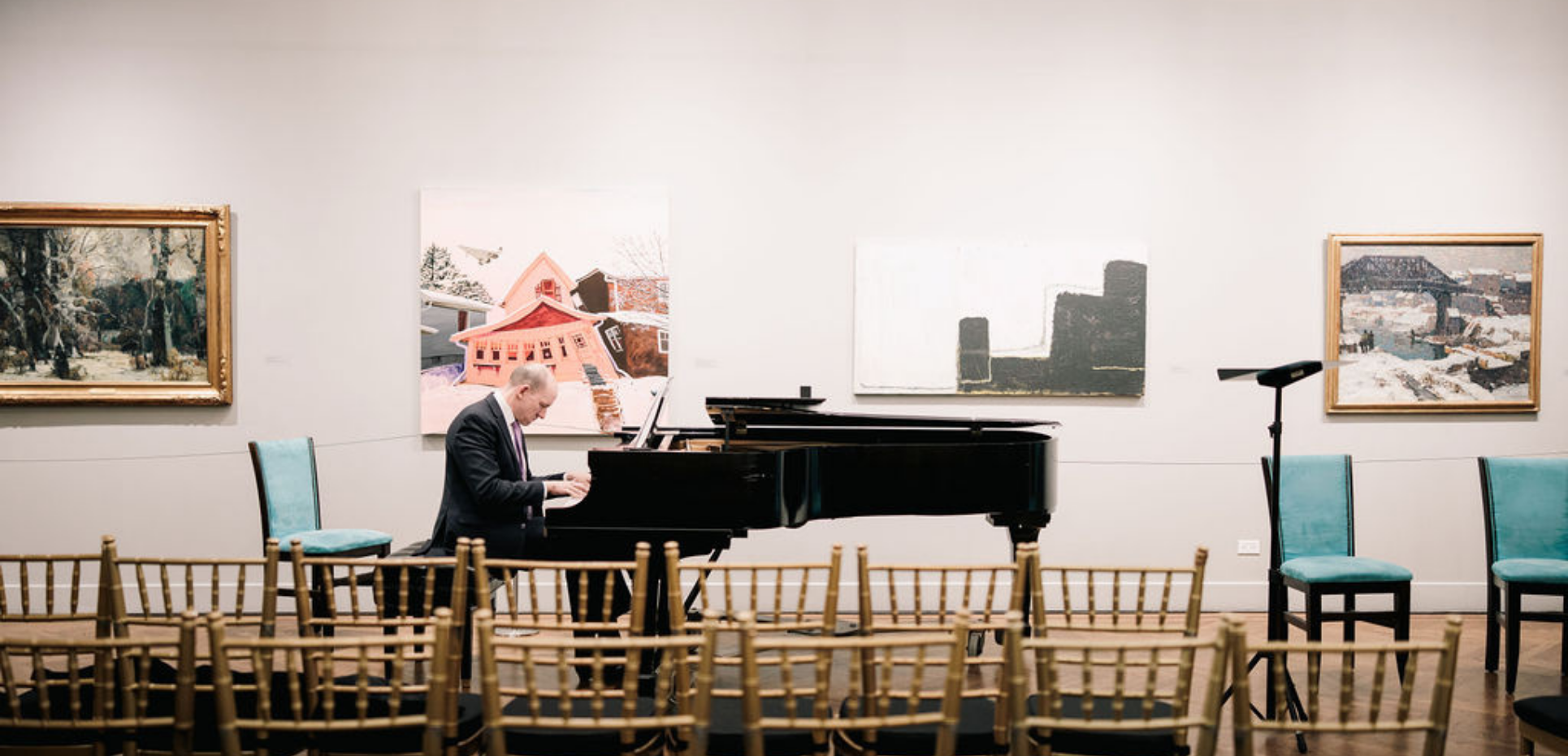
TRIAL BY MASTERCLASS
There are two things that cause most young singers to break out in a cold sweat – the dreaded public masterclass and perhaps even more terrifying, the vocal competition. I have been guilty of being on the easier side of the table for several of these during my recent travels and am constantly aware of how stressful these occasions are for the performers and what a tremendous act of bravery it is to voluntarily position oneself as a “lamb to the slaughter” for one of these occasions. What could be tougher than public criticism and direct comparison with one’s peers?
Take the humble “masterclass” (even without the outdated patriarchal vestiges already inherent in the word): a purported “expert in the field” artistically dissects an eager young student in front of an audience of strangers or worse still, fellow students. The so-called expert usually uses the occasion as a public forum to demonstrate why their many years of experience and vast resume have given them such a unique understanding of their craft – inevitably also demonstrating why the student still has so much to learn before they too could hope to assume the role of “master teacher.” And at the end of this musical dismembering, the student is expected to prostrate themselves, praising the “master” for their wisdom and insight and talking about how transformative the experience has been. Has ever a more frightening torture device been devised, or a situation more antithetical to unique personal expression?
Well – I paint a dire picture, and not every masterclass is this bad. I’ve sat through, performed in, and given many masterclasses over the years, and they tend to range from horrifically embarrassing for either young performer or more often, master teacher … to deathly boring, depending on the personality of the teacher … to combative and awkward, when the young performer bravely decides to question the so-called wisdom on offer … to some of the most inspirational and transformative musical moments of my life.
MEMORY AS TEACHER
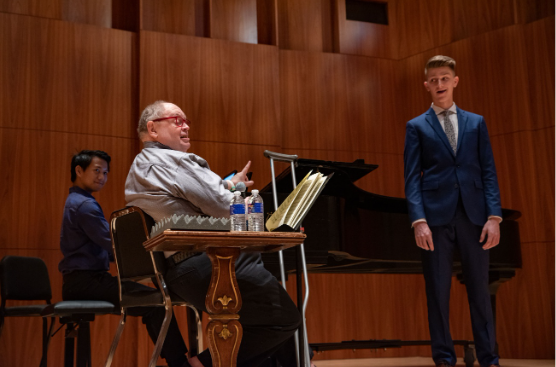
One thing is true – there’s nothing like a public occasion to make something stick in your memory. A very famous conductor once screamed at me “IT’S NOT A TRIPLET!” in a Lindemann Young Artist masterclass that boasted Renée Fleming and Bryn Terfel as audience members – and I don’t think I’ve ever played a dotted rhythm sloppily since. Another great collaborative pianist asked me if I would mind putting a song down a tone at sight – I sadly had to admit defeat after a few bars, but I have made a point ever since of practicing songs in a variety of keys should it ever be called for. There is undeniably an efficiency about the whole set-up: they can be a great way to communicate a lot of musical information to a large group of students in one sitting, allowing many students to benefit simultaneously from contact and time in the room with an otherwise untouchable expert; they are excellent prompts for an experienced artist to wax lyrical on philosophy, history, musical detail, or just juicy stories from their career; most valuably, they are essential windows for the enthusiastic supporter into just how much work goes into the great performances they enjoy so much. When they go well, they can engender respect for everyone present and be a wholly positive experience.
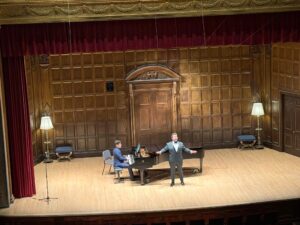
I gave a masterclass this past week as part of my visit to the Eastman School of Music, when I also adjudicated their annual Friends of Eastman Opera Vocal Competition, held in beautiful Kilbourn Hall. I can’t attest to how well the class went, but I try to react in the moment to what the individual singer and pianist are offering without having a fixed agenda – and like all feedback, I try to keep it positive and encouraging while being direct and clear. Later that evening, I stepped behind the table in a different capacity – and I renew my gratitude to the amazing Friends of Eastman Opera, who function rather like the amazing Guild of Glimmerglass in their undying support and passion for the artform and the emerging talents it fosters. I was delighted to discover that many of the FEO are already stalwart Glimmerglass attendees and supporters.
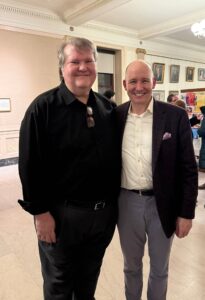
renowned tenor Anthony Dean Griffey.
BEHIND THE JUDGES’ TABLE
Vocal competitions are another “necessary evil” in the opera world. While often painful and disappointing for those who do not progress or place, I don’t think any past winner has been upset by the addition to their bank balance that these opportunities provide. They are very helpful sources of significant support for emerging artists whose calendars are not yet fully booked – and we are grateful to all the supporters around the country who endow them. Some singers I know have spent a couple of years making most of their living by winning almost everything (I remember soprano Angela Meade cleaning up at almost every competition around the country for a year or two). There is also no doubt that a major win can rapidly bring a singer to the attention of a large number of impresarios and casting agents – I admit that I regularly look at the recent winners of the major competitions to keep track of emerging talent in the business.
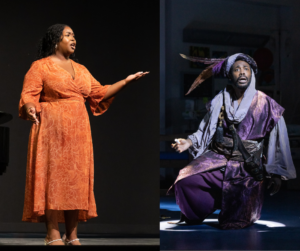
But they are such difficult things to judge. At Eastman, I was faced with a superb group of singers, all of whom were not only highly trained and well prepared but were also in very different places in their lives and careers. How does one rank nine individuals fairly, when each is at a different stage of their vocal and artistic development and all have such beautiful, unique talents to offer? Ultimately, it comes down to the performance on the day and a gut sense of future potential – and it is always highly subjective. The Met Regional competition I judged the previous weekend was just as challenging, although the responsibility was happily shared by a panel of three judges. I am proud to say that one of last season’s Glimmerglass Resident Artists, soprano Sarah Rosales, placed second, even if she did not progress to the semi-finals this time.
You will also want to keep track of the two Glimmerglass alumni who made it to the Met semi-finals this season, which take place on Sunday, March 15 – soprano Lauryn Davis (GGF 2024) and baritone Korin Thomas-Smith (GGF 2023).
Fellow Presenters, Fellow Travelers
I also traveled to several shows this past month: Opera Philadelphia’s world premiere of Complications in Sue, Virginia Opera’s presentation of Jake Heggie and Gene Scheer’s recent opera Intelligence, productions of Ragtime and All Out on Broadway, and Heartbeat Opera’s Manon. But the opening I want to draw your attention to is in Seattle right now, and it’s the beautiful production of Greg Spears and Greg Pierce’s Fellow Travelers that will hit our stage this summer. You can see snippets of both of our leads below – they play in separate casts in Seattle and will finally come together as a pair here at Glimmerglass.
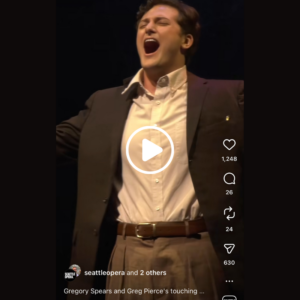
Listen to exciting young tenor Colin Aikins as Tim McLaughlin, the role he will play at Glimmerglass this summer.
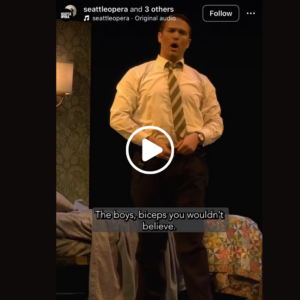
And here is baritone Joseph Lattanzi, our Hawkins Fuller, who has followed the piece since its premiere.
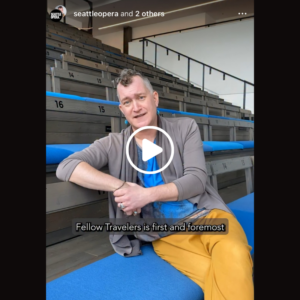
And here’s our Director, Kevin Newbury, describing the piece!
This is such a beautiful opera, and such an important story to tell right now. Kevin’s production company, Up Until Now Collective, is encouraging those who lost their jobs during the Lavender Scare to share their experience as part of a project they are undertaking in collaboration with The American LGBTQ+ Museum, called the Lavender Names Project – we want our community to participate in this is amazing story and to play a part in making it a transformative experience for everyone. Perhaps you know someone who went through this and can pass on the link, or maybe you yourself were involved? If so, click here to submit.
In short, these masterclasses, competitions, and fabulous productions of new and reinvented operas and musical theater remind me on a daily basis how much goes into what we do and how much passion and love we pour into them. Every performance is an act of real bravery and selflessness, and a beautiful expression of what we are capable of when we work together. I hope you’ll join us this summer to be part of this amazing thing we call opera. Do you have your tickets yet?!?